
Build Stronger Bones: The Complete Nutrition Guide for Men
Bone health is the foundation of male wellness. As men age, nutritional strategies become critical to maintaining strength, mobility, and independence. Discover what modern science reveals about calcium, vitamin D, magnesium, and lifestyle factors that support optimal skeletal health.

The information on this site is for educational purposes only and does not constitute medical advice. Always consult a qualified healthcare professional before making health decisions.
Bone Health Impact Numbers
Bones in Adult Male Body
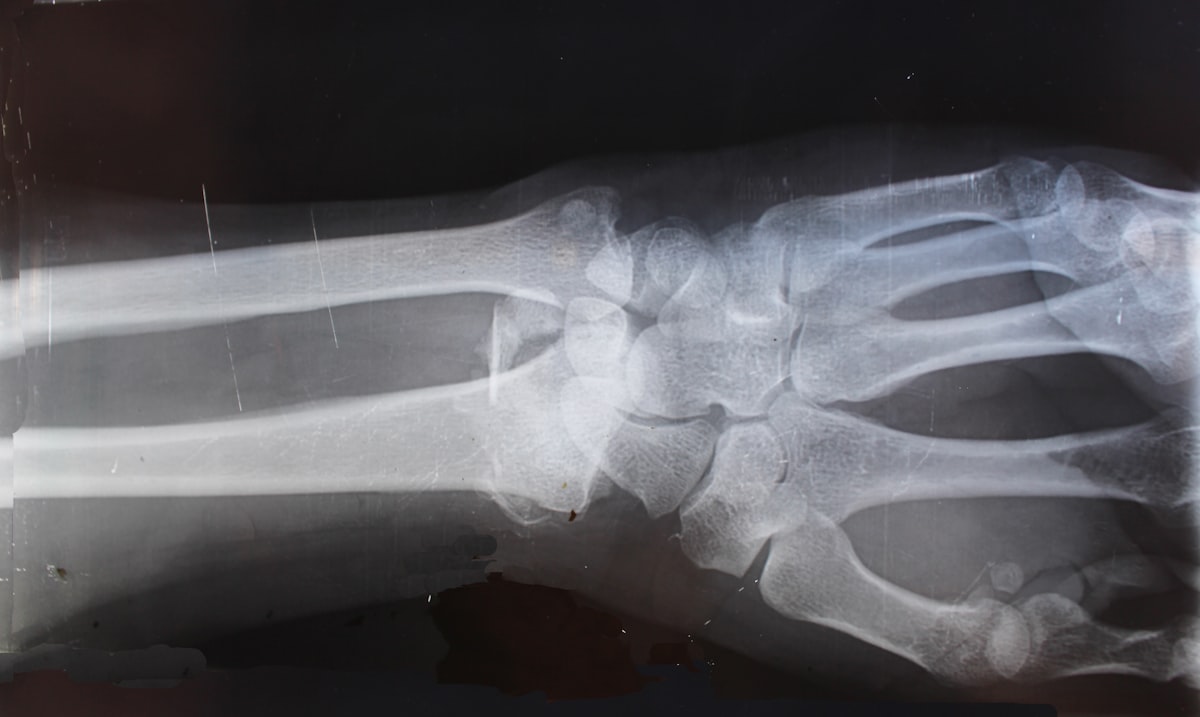
A complex framework supporting movement and organs
mg Daily Calcium Target
Essential mineral for bone density and strength
Critical Age for Bone Loss
Peak bone mass typically reached by age 30
Vitamin D Role in Calcium Absorption
Crucial for nutrient bioavailability

Why Bone Health Matters for Men Over 40
Men often overlook skeletal wellness until problems emerge. Unlike women, who experience dramatic hormonal shifts, male bone loss is gradual but relentless. After age 40, men lose approximately one percent of bone density annually.
Proper nutrition is your first line of defense. Strategic intake of calcium, phosphorus, magnesium, and vitamin D—combined with weight-bearing exercise and reduced alcohol consumption—creates a foundation for lifelong strength and independence.
- Reduced fracture risk: Strong bones prevent injuries in falls and accidents
- Improved posture: Spinal health supports better alignment and reduced back pain
- Better athletic performance: Dense bone supports muscle attachment and power
Essential Nutrients for Strong Bones
Calcium
The primary mineral component of bone structure. Adult men require 1000-1200 mg daily. Found in dairy, leafy greens, fortified plant milks, and fish with bones.
- Dairy products (milk, yogurt, cheese)
- Dark leafy greens (kale, spinach)
- Fortified beverages and cereals
- Canned fish (salmon, sardines)
Vitamin D
Regulates calcium absorption and bone mineralization. Men need 600-800 IU daily; higher intake may support wellness. Synthesized through sunlight exposure and dietary sources.
- Fatty fish (salmon, mackerel, tuna)
- Egg yolks and fortified milk
- Mushrooms (especially sun-exposed)
- Sunlight exposure (10-30 min daily)
Magnesium
Supports mineral density and bone structure formation. Men require 400-420 mg daily. Essential for over 300 enzymatic reactions in the body.
- Nuts and seeds (almonds, pumpkin seeds)
- Whole grains and legumes
- Green leafy vegetables
- Dark chocolate (70% cacao or higher)
Phosphorus
Works with calcium to form bone mineral structure (hydroxyapatite). Men need 700 mg daily. Often abundant in protein-rich foods and processed products.
- Meat, poultry, and fish
- Dairy products and eggs
- Legumes and whole grains
- Nuts, seeds, and whole wheat bread
Protein
Provides amino acids for collagen and bone matrix formation. Men need 0.8-1.0 g per kilogram of body weight daily. Essential for muscle support of bone.
- Lean meat and poultry
- Fish and seafood
- Eggs and dairy
- Legumes, tofu, and plant sources
Zinc & Copper
Trace minerals supporting collagen cross-linking and bone turnover. Men need 11 mg zinc daily and 900 mcg copper. Deficiency increases fracture susceptibility.
- Oysters and shellfish (zinc-rich)
- Beef, chicken, and legumes
- Nuts, seeds, and whole grains
- Chocolate and mushrooms (copper)
Common Questions About Male Bone Health
Most men reach peak bone mass by age 30. After age 40, men typically lose about 0.3–0.5% of bone density annually. This accelerates further after age 60–70. However, proper nutrition and exercise at any age can slow this decline and support skeletal strength. Some research suggests vitamin D and calcium intake becomes increasingly important as men age.
Calcium-Rich Foods Men Love
Greek Yogurt
Plain Greek yogurt provides 200–300 mg calcium per serving (7 oz), plus probiotics for gut health. High protein content supports muscle-bone interaction. Choose unsweetened varieties to avoid excess sugar.
Canned Sardines
Sardines with edible bones deliver 325–450 mg calcium per 3.75 oz can, plus omega-3 fatty acids that reduce inflammation. Inexpensive, shelf-stable, and versatile in salads or toast.

Kale
Cooked kale offers 179 mg calcium per cup with excellent bioavailability (low oxalate). Rich in vitamins K and C, which support bone mineralization. Sauté with olive oil for absorption-boosting fat.

Fortified Plant Milk
Soy, almond, and oat milks fortified with calcium provide 240–450 mg per cup. Look for versions also fortified with vitamin D for synergistic absorption. Compare labels to find optimal fortification levels.

Almonds
A 1-ounce serving (23 almonds) provides 76 mg calcium plus 6 g protein and magnesium. Versatile snack for portable nutrition. Raw or roasted varieties work equally well for bone support.

Hard Cheeses
Parmesan delivers 390 mg calcium per ounce; cheddar offers 204 mg per ounce. High bioavailability due to acidic environment during production. Enjoy in moderation due to salt and fat content.
Real Results from Real Men
""I started reading about calcium and vitamin D after turning 45, and I was shocked at how neglected my bone health had been. The articles here explained the whole picture—not just supplements, but food combinations and exercise. I've integrated more leafy greens, dairy, and consistent weight training into my routine. My doctor mentioned improved bone density at my last check-in. This information gave me the framework I needed to take action."
Budi Santoso, Semarang
""As someone who broke my wrist at 52, I became obsessed with understanding what went wrong. Nutrisupportpro's editorial content on bone physiology and nutrient absorption was eye-opening. I learned that my vitamin D levels were low and that I wasn't getting enough magnesium. Six months of dietary adjustments—adding more fish, nuts, and fortified products—plus resistance training has restored my confidence. I feel stronger and more supported in my body."
Rudi Wijaya, Jakarta
""I'm in my late 50s and thought bone health was primarily a women's issue. Your articles on male-specific skeletal aging completely changed my perspective. The FAQ section answered every question I had about plant-based calcium sources since I've reduced dairy. Learning about magnesium and zinc's lesser-known roles in bone structure was fascinating. I've redesigned my entire diet based on this foundation, and I genuinely feel the difference in my energy and stability."
Ahmad Setiawan, Bandung
Get Bone Health Insights in Your Inbox
Receive curated articles, research summaries, and nutrition tips delivered weekly. No spam, just expert-backed content.
We respect your inbox. Unsubscribe anytime.
Start Your Bone Health Journey Today
Whether you're in your 40s prioritizing prevention or approaching your later decades strengthening what you have—bone health nutrition is actionable, evidence-based, and within reach. Explore our full archive of peer-reviewed insights, practical meal ideas, and expert-led discussions on skeletal wellness.
Questions about content? Send us feedback